
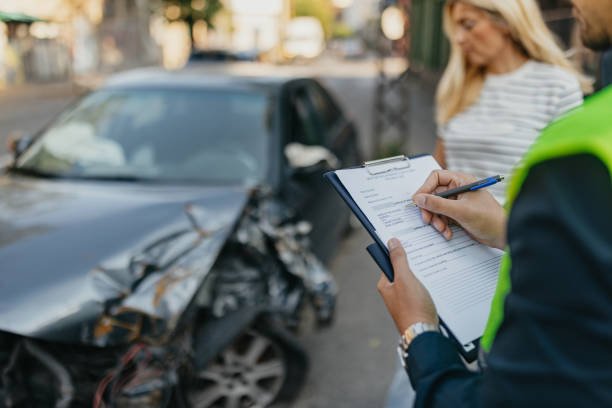
 | Parking Lot Accident Attorney: Who Is Liable & How to File a Claim | ||
| Address: | , | ||
| Phone #: | |||
| Website: | |||
Parking lot accidents can happen at relatively low speeds, but determining who is responsible can still be complicated. Drivers often reverse out of parking spaces, compete for the same space, travel through narrow lanes, or encounter pedestrians and vehicles with limited visibility.
A parking lot accident may result in vehicle damage, injuries, insurance disputes, or disagreements about who caused the collision. In some cases, more than one driver may share responsibility. Depending on the circumstances, a property owner or another third party could also become relevant to the claim.
A parking lot accident attorney can help people understand their legal options when fault is disputed, injuries are serious, or an insurance company refuses to provide fair compensation.
This guide explains how liability may be determined after a parking lot accident, what evidence can help support a claim, and when you may want to speak with an attorney.
Who Is Liable for a Parking Lot Accident?
There is no single rule that determines liability in every parking lot accident.
Insurance companies, attorneys, and courts generally examine the specific circumstances of the collision. They may consider:
- Which vehicles were moving
- Whether either driver was reversing
- Whether a driver failed to yield
- The position of each vehicle
- Posted traffic signs
- Lane markings
- Whether the parking lot had one-way lanes
- Vehicle speed
- Driver distraction
- Available surveillance footage
- Witness statements
- Dashcam footage
- Applicable state laws
In many cases, the driver who failed to use reasonable care may be responsible for the accident. However, both drivers can potentially share fault depending on what happened.
A parking lot accident attorney can review the evidence and help determine whether another driver, property owner, business, or another party may have legal responsibility.
NHTSA notes that parking lot and driveway-related crashes may represent a significant share of reported pedestrian crashes, with some studies finding they accounted for 15% to 25% or more of reported pedestrian crashes.
How To File a Claim After a Parking Lot Accident?
The insurance process depends on the circumstances of the collision and the available coverage.
A claim may involve:
Personal Injury Claims
Depending on the circumstances, an injured person may have the right to pursue a claim for legally recognized losses. Personal injury lawyers can help evaluate accident-related claims involving injuries and disputed liability
When someone suffers an injury, a claim may potentially involve legally recognized losses such as:
- Medical expenses
- Lost income
- Reduced earning capacity
- Pain and suffering
- Other damages allowed under applicable law
The availability of compensation depends on the facts of the accident and the law that applies to the claim.
The Other Driver’s Insurance
If another driver caused the accident, you may potentially file a claim against that driver’s insurance policy.
The insurer may investigate:
- How the accident happened
- Who was responsible
- The extent of vehicle damage
- Whether anyone suffered injuries
Your Own Insurance Policy
Depending on your coverage, your own insurance may also become involved.
Available coverage can depend on your specific policy and state requirements.
Property Damage Claims
A property damage claim may involve losses such as:
- Vehicle repairs
- Vehicle replacement in qualifying circumstances
- Towing costs
- Rental vehicle expenses
- Other covered property losses
Who Has the Right of Way in a Parking Lot?
Right-of-way issues often play an important role in parking lot accident claims.
However, parking lots do not always operate like public roads. Some have clearly marked lanes, stop signs, yield signs, and directional arrows, while others have limited traffic controls.
In general, drivers should pay attention to:
- Posted signs
- Lane markings
- One-way designations
- Pedestrians
- Vehicles already traveling through a lane
- Vehicles entering or leaving parking spaces
A driver pulling out of a parking space may need to exercise particular caution because other vehicles may already be traveling through the parking lane.
However, you should not assume that one driver automatically has the right of way simply because they were traveling through the lot. Speed, distraction, traffic violations, and other facts may also affect liability.
Common Parking Lot Accident Scenarios
Different types of parking lot collisions can raise different liability questions.
Two Cars Backing Out of Parking Spaces
One of the most common parking lot accidents occurs when two vehicles reverse from spaces at approximately the same time and collide.
Either driver may potentially share responsibility because both drivers had a duty to check their surroundings while reversing.
The outcome may depend on:
- Which vehicle began reversing first
- Whether one vehicle had already stopped
- Whether either driver could see the other vehicle
- Surveillance or dashcam footage
- Witness statements
- State laws regarding shared fault
A Driver Backs Into a Moving Vehicle
When a driver reverses from a parking space and strikes a vehicle traveling through the parking lane, the reversing driver may be considered responsible.
However, the facts still matter. For example, questions may arise about whether the moving driver was speeding, driving in the wrong direction, or otherwise acting negligently.
Two Vehicles Enter the Same Parking Space
Parking space disputes can lead to collisions when two drivers attempt to enter the same space.
Liability may depend on:
- Which vehicle arrived first
- The direction each vehicle was traveling
- Whether the parking lane was one-way
- Whether either driver ignored traffic markings
- Whether either driver failed to maintain proper control
Rather than trying to force your way into a disputed parking space, it is generally safer to avoid escalating the situation.
A Driver Hits a Parked Car
A driver who strikes a legally parked vehicle may often be responsible for the resulting damage.
Evidence can include:
- The location of the parked vehicle
- Photos of the damage
- Surveillance footage
- Witness statements
- Paint transfer
- Vehicle damage patterns
If someone damages your parked car and leaves the scene, you may need to take additional steps to identify the driver and preserve available evidence.
A Vehicle Hits a Pedestrian
Parking lots can be especially dangerous for pedestrians because vehicles frequently reverse and visibility may be limited.
Drivers should remain alert for people walking through parking areas, crosswalks, and spaces between vehicles.
Pedestrian accident claims can involve complicated questions about visibility, speed, driver attention, and whether the pedestrian acted reasonably under the circumstances.
A Driver Hits a Shopping Cart or Other Property
A collision involving property can still result in an insurance claim even when no one suffers a physical injury.
The responsible party may be liable for damage to:
- Vehicles
- Shopping carts
- Parking barriers
- Signs
- Buildings
- Other personal property
Can Both Drivers Be at Fault for a Parking Lot Accident?
Yes, potentially.
Some parking lot accidents involve actions by both drivers that contributed to the collision.
For example, two drivers may both reverse without adequately checking their surroundings. In another situation, one driver may pull out unexpectedly while another driver travels through the lot at an unsafe speed.
The effect of shared fault depends on state law.
Different states use different systems when determining how shared responsibility affects an insurance claim or lawsuit. In some jurisdictions, a person’s percentage of fault may reduce the compensation they can recover. Other states apply stricter rules.
For this reason, you should avoid assuming that shared fault automatically prevents you from filing a claim.
A parking lot accident attorney can explain how the law in your state may apply to the specific facts of your accident.
How Is Fault Determined After a Parking Lot Accident?
Insurance companies and legal professionals may examine multiple types of evidence when determining responsibility.
Important evidence can include:
Photos of the Accident Scene
Take photographs of:
- Vehicle positions
- Vehicle damage
- Parking spaces
- Traffic signs
- Lane markings
- Directional arrows
- Road conditions
- Lighting conditions
Photos can help document conditions before vehicles are moved or the scene changes.
Surveillance Footage
Many parking lots have cameras operated by:
- Retail stores
- Shopping centers
- Parking garages
- Businesses
- Property management companies
- Security companies
Video footage may provide important information about how the accident happened.
Because some surveillance systems automatically overwrite recordings, it can be important to identify potential cameras quickly.
Dashcam Footage
Dashcam footage may show:
- The vehicles involved
- Vehicle movement
- Speed
- Lane direction
- The point of impact
- Events immediately before the collision
Witness Statements
Witnesses may provide information about what they saw before or during the accident.
If possible, collect their names and contact information.
Vehicle Damage
The location and pattern of vehicle damage can sometimes help explain how a collision occurred.
For example, damage to the rear, side, or front of a vehicle may support or contradict a driver’s description of the accident.
Police or Accident Reports
Law enforcement may respond to certain accidents depending on the circumstances and local requirements.
A report can provide an official record of information collected at the scene. However, the existence of a police report does not necessarily determine legal fault.
What Should You Do After a Parking Lot Accident?
The steps you take after an accident can affect your safety and your ability to document what happened.
1. Check for Injuries
Check yourself and others for injuries.
Seek medical attention when necessary, especially if someone experiences symptoms such as:
- Severe pain
- Dizziness
- Loss of consciousness
- Bleeding
- Difficulty breathing
- Neck or back pain
Some injuries may not be immediately obvious after a collision.
2. Move to a Safe Location When Appropriate
If the vehicles can be moved safely and local procedures allow it, move them out of the path of traffic.
Do not leave the scene without exchanging necessary information or following applicable reporting requirements.
3. Exchange Information
Exchange relevant information with the other driver, which may include:
- Name
- Contact information
- Insurance information
- Vehicle information
Avoid arguing about fault at the scene.
4. Take Photos and Videos
Document as much as possible before the scene changes.
Photograph:
- Both vehicles
- License plates
- Damage
- Parking lot signs
- Traffic markings
- The surrounding area
5. Look for Cameras
Check whether nearby businesses or property owners may have surveillance cameras.
If the accident involves disputed fault, serious injuries, or significant property damage, video evidence could become important.
6. Identify Witnesses
Ask witnesses for their names and contact information.
Independent witnesses may provide valuable information if the drivers give conflicting accounts.
7. Notify Your Insurance Company
Report the accident according to your insurance policy and applicable requirements.
Provide accurate information and avoid guessing about facts you do not remember.
8. Preserve Relevant Evidence
Keep copies of:
- Photos
- Videos
- Medical records
- Repair estimates
- Insurance correspondence
- Accident reports
- Witness information
9. Consider Legal Advice When the Claim Is Complicated
You may want to speak with a parking lot accident attorney if fault is disputed, you suffered serious injuries, or the insurance process becomes difficult.
Can the Parking Lot Owner Be Liable?
In some situations, a parking lot owner, business, or property manager could become relevant to an accident claim.
However, simply owning the parking lot does not automatically make a property owner responsible for a collision.
Liability may become an issue when dangerous property conditions allegedly contributed to an accident. Examples could include:
- Poor lighting
- Dangerous potholes
- Obstructed visibility
- Missing traffic signs
- Damaged signage
- Unsafe parking lot design
- Dangerous traffic patterns
- Failure to address known hazardous conditions
These cases can involve complex questions about property ownership, notice of the dangerous condition, maintenance responsibilities, and applicable state law.
If unsafe property conditions may have contributed to the accident, you may want to discuss the situation with an attorney familiar with premises liability and accident claims.
FAQs
Who is usually at fault in a parking lot accident?
Fault depends on how the accident happened. A driver who was reversing, failed to yield, ignored traffic markings, drove carelessly, or failed to pay attention may be responsible. However, both drivers can potentially share fault depending on the circumstances and applicable state law.
Are parking lot accidents always 50/50?
No. A parking lot accident is not automatically treated as shared fault. Insurance companies and courts generally examine the evidence and circumstances of the specific collision.
What if both cars were backing out?
Both drivers may potentially share responsibility if each driver contributed to the collision. The final determination depends on the available evidence and applicable state law.
What if someone hits my parked car?
The driver who struck a legally parked vehicle may be responsible for the resulting damage. Take photographs, look for witnesses and surveillance cameras, and report the incident according to applicable requirements.
Can I sue after a parking lot accident?
Whether you can pursue legal action depends on the facts of the accident, the parties involved, your injuries or losses, insurance coverage, and applicable state law. A parking lot accident attorney can explain potential options based on your situation.
Can a parking lot owner be responsible for an accident?
Potentially, if dangerous property conditions contributed to the accident. However, ownership of the parking lot alone does not automatically create liability.
Should I hire a parking lot accident attorney for a minor accident?
You may not need a lawyer for every minor accident. However, legal advice may be helpful when fault is disputed, injuries are significant, an insurer denies the claim, or multiple parties may be responsible.
Find a Parking Lot Accident Attorney for Your Case
A parking lot accident may seem minor at first, but disputes about fault, injuries, property damage, and insurance coverage can quickly become complicated.
The outcome often depends on the specific facts of the collision. Surveillance footage, photographs, witness statements, vehicle damage, parking lot conditions, and state law can all play a role in determining liability.
If you were injured or suffered significant losses, consider speaking with a parking lot accident attorney who handles cases in the jurisdiction where the accident occurred. An attorney can review the circumstances of your case and help you understand the legal and insurance issues that may apply.
Use FindALawyer123 to compare attorneys by practice area and location and find legal professionals who handle car accident and personal injury matters.
Disclaimer: This article provides general information and does not constitute legal advice. Parking lot accident laws, insurance requirements, fault rules, and legal deadlines vary by state and according to the facts of each case. Consider consulting a qualified attorney regarding your specific situation.
Add a Comment